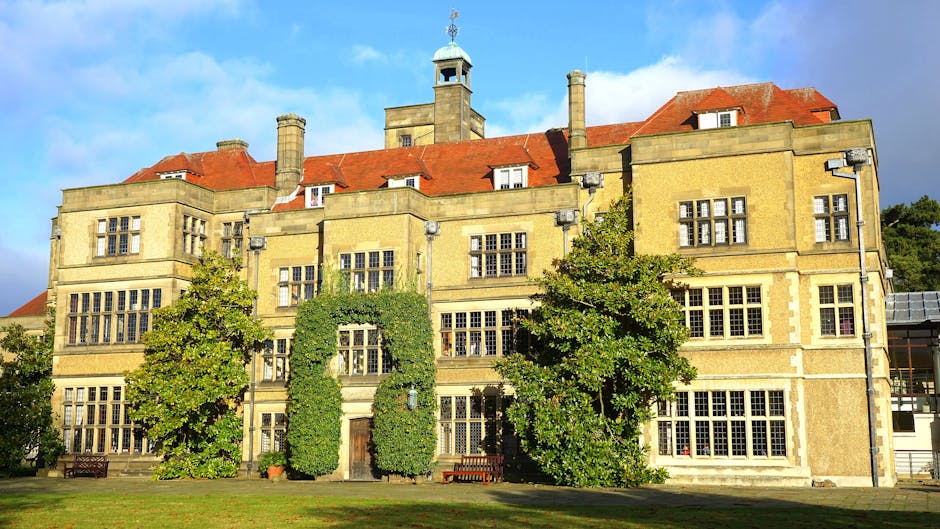
Bentley Priory restoration cleaning case study in Stanmore
If you are looking into a Bentley Priory restoration cleaning case study in Stanmore, you are probably not after generic cleaning advice. You want to know how a sensitive, heritage-minded clean is planned, what can go wrong, and what good results actually look like when a historic setting needs care rather than force. That is fair enough. Restoration cleaning is a very different job from everyday domestic cleaning, and Bentley Priory is exactly the kind of place where judgement matters as much as equipment.
In this guide, we will break down the practical side of restoration cleaning for a prestigious Stanmore property: the process, the risks, the benefits, the decision points, and the standards that normally shape the work. We will also look at how specialist surface care connects with services such as steam carpet cleaning, upholstery cleaning, and targeted stain removal when a building has mixed materials, footfall, and delicate finishes.
One quick reality check: restoration cleaning is not about making everything look brand new. It is about reducing damage, lifting contamination safely, and helping original materials last longer. Sometimes that means going slower than people expect. Sometimes it means saying no to an aggressive method that would be fine in a modern office but wrong in a period interior. And yes, that caution is usually what saves the result.
Table of Contents
- Why Bentley Priory restoration cleaning in Stanmore Matters
- How the restoration cleaning process works
- Key benefits and practical advantages
- Who this is for and when it makes sense
- Step-by-step guidance
- Expert tips for better results
- Common mistakes to avoid
- Tools, resources and recommendations
- Law, compliance, standards, and best practice
- Options, methods, or comparison table
- Case study or real-world example
- Practical checklist
- Conclusion
- Frequently Asked Questions
Why Bentley Priory restoration cleaning case study in Stanmore Matters
Bentley Priory has a strong local identity, and any restoration project associated with it carries more than visual expectations. In Stanmore, a property like this sits at the intersection of heritage, presentation, and long-term preservation. That makes cleaning decisions feel a bit heavier than usual, because they are. A wrong product, too much moisture, or a rushed machine pass can leave lasting marks on fabric, carpet, upholstery, or polished detailing.
What makes this topic important is the balance between two goals that sometimes pull in opposite directions: appearance and conservation. A room may need to look welcoming for visitors, but it may also contain older fibres, fragile trims, or original materials that simply cannot be treated like a modern rental property. To be fair, that is where many people underestimate the job. They assume cleaning is cleaning. It really is not.
For restoration projects, the cleaning phase often has a bigger influence than people realise. It can affect indoor air quality, surface lifespan, day-to-day maintenance, and how much follow-up work is needed later. In a building with mixed surfaces, the process may involve carpet care, fabric cleaning, spot treatment, and low-moisture methods that avoid swelling, dye bleed, or distortion.
Expert summary: restoration cleaning succeeds when it removes contamination without creating new damage. That sounds simple, but in heritage settings the safest method is often the one that looks the least dramatic while achieving the most controlled result.
There is also a trust angle here. People want reassurance that the work will be insured, planned, and handled with care. If you are comparing providers, it helps to review practical pages like about the company, insurance and safety, and the health and safety policy before work begins. That is not paperwork for paperwork's sake; it is part of sensible due diligence.
How Bentley Priory restoration cleaning case study in Stanmore Works
Restoration cleaning normally starts with assessment. Not just a quick walk-through, but a proper look at fibre type, soil load, visible staining, moisture sensitivity, access constraints, and the order of operations. In a heritage setting, you do not clean everything in one go. You plan what to touch first, what to test first, and what should be left alone until a safer method is confirmed.
In practice, the work may involve dry soil removal, low-moisture extraction, controlled hand spotting, and careful agitation using tools selected for the surface. For textiles and soft furnishings, technicians typically think in terms of contact time, pH suitability, rinse control, and drying speed. Sounds technical, but the plain-English version is this: the product must suit the material, and the material must not be left overly wet.
Here is the usual flow in a restoration environment:
- Survey the space to identify fragile areas, stains, odours, and any signs of previous damage.
- Test discreetly on small areas before wider treatment, especially where dyes or finishes may react.
- Remove loose debris with low-risk methods so abrasive dust does not get worked deeper into fibres.
- Apply the least aggressive treatment first, increasing only if the material responds well.
- Control moisture carefully to avoid ripple, shrinkage, staining, or long drying times.
- Inspect and refine because one pass is rarely the whole answer in a historic space.
That sequence matters because restoration cleaning is partly about restraint. Anyone can make a surface feel damp and "done." The better question is whether the finish will still be stable tomorrow morning. Around heritage interiors, that question is the real job.
For fabric-heavy rooms, linked services such as curtain cleaning and sofa cleaning may also be relevant, especially where dust settles unevenly or natural light has faded one side of a room more than the other. It is very common, by the way, for window-adjacent fabrics to age differently. Sunlight does odd things. Always has.
Key Benefits and Practical Advantages
A well-executed restoration clean does more than freshen a room. It supports the building's future use, reduces wear, and makes later maintenance easier. In a place with public-facing expectations, that can be a major advantage. Visitors notice the atmosphere first. You notice the smell, the softness underfoot, the absence of that stale dust feeling. Small details, but they count.
- Better preservation of original materials by avoiding harsh or unsuitable cleaning methods.
- Improved appearance without the overly "new" look that can feel wrong in heritage settings.
- Reduced odour retention in carpets, furnishings, and soft finishes.
- Safer day-to-day upkeep because embedded soil is removed before it becomes long-term damage.
- More efficient future maintenance since surfaces start from a cleaner baseline.
- Cleaner presentation for events or public use when rooms need to feel cared for, not overworked.
There is a practical advantage that often gets overlooked: good restoration cleaning can reduce panic later. When a surface has been stabilised and documented, future cleaning is easier to plan. You are not guessing every time. That is worth a lot, particularly in buildings where multiple contractors, caretakers, or departments may be involved.
For mixed-material interiors, using the right supporting service can help. A stain that looks minor in a carpet may need a different approach than one in upholstery, which is why targeted pages such as pet stain and odour removal and rug cleaning can be useful references when planning a broader care programme.
Who This Is For and When It Makes Sense
This kind of cleaning makes sense for property managers, heritage custodians, event coordinators, landlords of prestige buildings, and anyone responsible for a large Stanmore property with soft furnishings or older finishes. If a space is expected to look refined but also needs to remain structurally and materially sound, restoration cleaning is usually the right conversation to have.
It is also a good fit when you are facing one of these situations:
- Visible soil build-up after long periods of reduced use
- Dust accumulation in corners, window dressings, and fabric trim
- Patchy staining on carpets, runners, or upholstery
- Odour issues caused by dampness, age, or historical use
- Pre-event preparation for a public opening or inspection
- Post-renovation fine cleaning after building work
If the project is mostly commercial and time-sensitive, the approach may be closer to commercial carpet cleaning, but with extra caution around materials and access. If there is a lot of textile detail, then upholstery and fabric care can become the priority. Truth be told, the best plan is rarely one service or one pass. It is usually a sequence.
And if you are not sure where to start, that is normal. Most people are not expected to know the difference between hot water extraction, low-moisture cleaning, or delicate spot treatment. You just need someone who can explain why one method suits one surface and not another. Simple as that.
Step-by-Step Guidance
Below is a practical framework for a restoration clean in a heritage-led setting like Bentley Priory. It is not a one-size-fits-all script, because the building decides a lot of the terms, but it gives you a reliable order of thinking.
- Initial inspection
Look at the room in natural and artificial light. Soil that is invisible at noon may be obvious in the evening. Note high-traffic lines, set-in spots, and any areas that seem discoloured from age rather than dirt. - Material identification
Confirm whether the surface is wool, synthetic, blended fibre, natural upholstery fabric, or something more sensitive. If you do not know the material, do not guess. That is where avoidable damage starts. - Risk assessment
Check for loose threads, unstable backing, worn edges, decorative trims, corrosion, or previous patch repairs. Heritage objects often carry old repairs, and those repairs can react differently from the original material. - Test cleaning
Choose an inconspicuous area and see how the surface responds. Watch for dye transfer, texture change, spotting, or residue. A five-minute test can save a five-figure headache. Not kidding. - Pre-clean and dust removal
Lift dry soil first. If you clean grime into a textile without removing the loose dust, you can smear the problem deeper. That is one of the most common mistakes in old buildings. - Targeted treatment
Use selected products and tools on specific marks. A tea stain is not the same as general atmospheric dirt, and a spill near a skirting edge is not the same as traffic soiling in the middle of a room. - Controlled extraction or rinsing
If moisture is used, keep it tightly controlled. Wet enough to work, dry enough to protect the material. That balance is the whole game. - Drying and ventilation
Encourage airflow and allow adequate drying time. A room that feels almost dry can still hold moisture in padding or underlay. A bit sneaky, that part. - Final review
Check appearance, texture, smell, and any areas that need a second light treatment. In restoration work, the finish should look calm, not scrubbed.
If you are dealing mainly with carpets, the process may overlap with carpet cleaning or steam carpet cleaning, but you still need to adapt the method to age and sensitivity. In other words, the label on the machine is not the decision. The surface is.
Expert Tips for Better Results
Experience teaches a few things the hard way, and restoration cleaning is full of those lessons. A careful approach usually beats a clever one. That may sound a bit dull, but dull is good when you are protecting historic interiors.
- Start with the gentlest option and only increase intensity if the material genuinely needs it.
- Keep notes during the job so any unusual reactions are recorded for later maintenance.
- Work from cleanest to dirtiest areas to avoid transferring soil.
- Use small, controlled passes rather than overworking one spot.
- Prioritise drying as much as cleaning. Slow drying can undo a good clean.
- Match the method to the fabric, not just the stain type.
- Allow for old-house reality: uneven light, mixed repairs, and hidden wear are all normal.
A useful rule of thumb: if a method feels too forceful for a room with older plaster, original detailing, or heritage upholstery, it probably is. There is no prize for making a surface squeaky at the expense of its structure. You want control, consistency, and a finish that still feels like the room itself.
For problem areas, a specialist approach to stain removal and, where relevant, upholstery cleaning can help isolate issues without over-treating the whole room. That saves time and reduces risk. It also tends to look better. Cleaner, but not obvious. That's the sweet spot.
Common Mistakes to Avoid
Many restoration cleaning problems are not dramatic disasters. They are small, avoidable misjudgements that compound. A bit too much water here, a product left too long there, and suddenly the room starts showing tide marks, stiffness, or discolouration.
- Using a modern heavy-duty method on a fragile surface
- Skipping a test patch because the stain looks "simple"
- Cleaning too aggressively around decorative edges
- Ignoring underlay or backing moisture
- Trying to remove every mark in one session
- Rushing drying time to reopen the room quickly
- Mixing products without clear compatibility
One common mistake is the belief that visible foam or a strong smell means the clean is doing more. Not necessarily. Sometimes it just means more residue. In restoration environments, less drama is often better. A room can smell faintly fresh, feel dry underfoot, and still be genuinely clean. That is the outcome you want.
Another mistake is failing to plan for access. Heritage sites often have stair restrictions, delicate flooring, narrow doorways, or public circulation to manage. If you are cleaning in a building with foot traffic, equipment routes matter. So do timings. Really matter.
Tools, Resources and Recommendations
The best restoration cleaning toolkit is not flashy. It is precise. For sensitive work, the goal is to control dirt, moisture, and agitation rather than overpower them.
| Method or Tool | Best Use | Why It Helps in Restoration Cleaning |
|---|---|---|
| Dry extraction / vacuuming | Loose dust and grit removal | Reduces abrasion before any wet process begins |
| Low-moisture spot treatment | Localised staining | Limits the risk of saturation and edge marks |
| Controlled extraction | Carpet and some upholstery care | Removes soil while keeping drying time manageable |
| Soft detailing tools | Edges, seams, trim, and awkward joins | Helps clean delicate spots without overworking the fabric |
| Ventilation and air movement | After cleaning | Supports faster, safer drying and reduces lingering dampness |
Recommendations depend on the room, but a few practical ones stand out. Use proper surface identification first. Keep absorbent cloths on hand for immediate spill control. Have a method for recording what was cleaned, what was tested, and what was left untouched. That last part sounds minor, but it saves confusion later.
For property owners comparing options, the pricing and quotes page is a sensible place to understand how works are usually scoped, while payment and security can help reassure anyone handling larger, planned works. If sustainability is important for the building or organisation, recycling and sustainability is also worth reviewing.
Law, Compliance, Standards, and Best Practice
For a project like this, compliance is less about ticking a box and more about showing care, competence, and sensible control. In the UK, restoration and cleaning work in public or managed settings is usually expected to follow good practice around risk assessment, safe chemical use, manual handling, and insurance coverage. Specific duties depend on the premises and the client's arrangements, so it is wise to treat this as a planning issue, not an afterthought.
Best practice typically includes clear communication, suitable insurance, method selection based on surface sensitivity, and a documented approach to hazards. Where a property has public access or periodic events, you should also think about slip risk, drying signage, and room reopening times. Common sense, really, though it is amazing how often common sense gets left in the van.
If you are arranging this work for a managed property, it is sensible to check a provider's terms and conditions and insurance details before any job starts. Where complaints or follow-up issues matter, knowing the complaints procedure is also useful. It signals professionalism and helps set expectations from the beginning.
Because Bentley Priory-style work may involve mixed materials, older finishes, and access considerations, the safest standard is usually: assess first, test first, clean gently, document everything. That approach may sound cautious, but in heritage cleaning caution is often the expertise.
Options, Methods, or Comparison Table
Choosing the right cleaning approach depends on the surface, the level of soil, and how much risk the material can tolerate. Here is a simple comparison that helps clarify the trade-offs.
| Method | Strengths | Limitations | Best For |
|---|---|---|---|
| Dry soil removal | Very low risk, good first step | Won't remove embedded staining | Delicate surfaces, pre-clean preparation |
| Low-moisture spot cleaning | Focused and controlled | Needs careful product selection | Small stains, sensitive fabrics |
| Steam or hot water extraction | Strong soil removal on suitable materials | Too much water can be a problem on heritage items | Robust carpets, some commercial areas |
| Hand cleaning/detail work | Maximum control | Slower and more labour-intensive | Trims, edges, decorative areas, fragile upholstery |
In many Bentley Priory-style settings, the answer is not one method but a combination. A carpet might handle extraction well in one room and only spot treatment in another. Upholstery might need a gentle clean on the main panels and a more conservative approach on trims. That patchwork reality is normal, honestly. It is what makes the work interesting, and occasionally a bit fussy.
Case Study or Real-World Example
Here is a realistic example based on the sort of restoration cleaning challenge that comes up in Stanmore heritage properties. A large period room has been closed for a while, and over time dust has settled into the carpet edges, upholstery arms, and the lower sections of curtains. There are a few older stains, some traffic dulling near entrances, and a faint stale smell that becomes obvious when the windows are shut.
The first priority is not straight cleaning. It is assessment. The team identifies the carpet construction, checks the upholstery for wear on contact points, and looks for any sign of dye instability. A discreet test patch is done before wider treatment. On the carpet, the soil is lifted in stages, with careful attention to edges where dirt has gathered most heavily. On the upholstery, the cleaning is lighter and more selective. Curtains are checked for sun fade and treated only where suitable.
What changed most was not a dramatic before-and-after effect, but the feel of the space. The room looked calmer, less tired. The dust smell dropped. The carpet pile stood a little more evenly. The fabric no longer looked "grey" under certain light. That is the thing with restoration work: sometimes the best result is that the room feels like itself again, just cleaner.
Along the way, the team would likely reference supporting services such as curtain cleaning, sofa cleaning, and carpet cleaning depending on which surfaces were in play. If an odour issue had been present, pet stain and odour removal would only be relevant where the source matched, but the wider principle is the same: identify the cause, then treat it carefully.
Practical Checklist
Use this checklist before any restoration clean in a sensitive Stanmore property. It keeps the project tidy, which sounds boring, but it really helps.
- Confirm the material type of carpets, upholstery, and curtains
- Check for fragile, historic, or previously repaired areas
- Test a discreet patch before full cleaning
- Choose the least aggressive method first
- Prepare for access and room protection
- Plan drying time and ventilation
- Record any unusual reactions or stains
- Review insurance, safety, and terms before work begins
- Decide whether carpet, upholstery, or curtain care needs separate treatment
- Inspect the result in different lighting
If you are comparing providers or planning a larger restoration programme, it is sensible to look at the company's core information pages such as about us and contact us. Clear communication before the job usually saves time during the job. And after it too.
Conclusion
A Bentley Priory restoration cleaning case study in Stanmore is really a study in judgement. The best results come from careful assessment, patient method selection, and respect for the materials in front of you. That is what protects the building while improving how it looks and feels. If you have ever walked into an old room after a proper clean, you will know the difference straight away: it feels lighter, calmer, more looked after.
For heritage-led or prestige properties, the smartest path is usually a measured one. Test first. Clean gently. Dry properly. Record what was done. It is not glamorous, but it works. And in this kind of work, that is what matters most.
Get a free quote today and see how much you can save.
When done well, restoration cleaning does more than refresh a room. It helps protect a place's character, and that is worth preserving.
Frequently Asked Questions
What is restoration cleaning in a historic property?
Restoration cleaning is a careful cleaning approach designed to remove soil, stains, and odours while protecting older or more delicate materials. It is usually gentler and more controlled than standard cleaning.
Why is Bentley Priory restoration cleaning in Stanmore different from normal carpet cleaning?
Because heritage or prestige settings may contain older fabrics, mixed materials, and fragile finishes. A standard method can be too aggressive, so the process usually starts with assessment and testing.
Can steam cleaning be used in a restoration project?
Sometimes, yes, but only where the material is suitable and moisture can be carefully controlled. In many historic settings, a lower-moisture approach is safer.
How do you know if upholstery is safe to clean?
You check the fabric type, backing, colour stability, and condition of the item before any wider treatment. A test patch is the normal starting point.
What are the biggest risks in restoration cleaning?
The main risks are moisture damage, dye bleed, shrinkage, residue build-up, and overworking fragile surfaces. Most of these come from being too aggressive or skipping tests.
How long does restoration cleaning usually take?
It depends on the size of the property, the number of surfaces involved, drying requirements, and how sensitive the materials are. A small room may be quick; a larger heritage space can take much longer.
Is restoration cleaning only for very old buildings?
No. It also makes sense for prestige properties, post-renovation interiors, and commercial spaces with delicate fabrics or heavy wear. Age matters, but so does material condition.
What should I prepare before booking a restoration clean?
Have a clear idea of the surfaces involved, the issues you want addressed, and any access or timing constraints. If possible, note previous cleaning history and any known sensitivities.
How do I compare providers for this kind of work?
Look for clear safety information, insurance details, realistic explanations of methods, and a structured approach to quotes. Pages like pricing, terms, and company information can help you judge professionalism.
Can a restoration clean remove old stains completely?
Not always. Some stains are permanent or have changed the material over time. A good cleaner will be honest about what can be improved, what can only be reduced, and what should be left alone.
Why does drying matter so much?
Because even a good clean can lead to problems if the material stays damp for too long. Slow drying can cause odour, distortion, or new staining in the backing or underlay.
What is the best next step if I need help with a heritage-style clean in Stanmore?
Start with a proper assessment and then request a tailored quote based on the surfaces involved. That way the plan suits the building instead of forcing the building to suit the plan.