Health and Safety Policy for Stanmore Carpet Cleaners
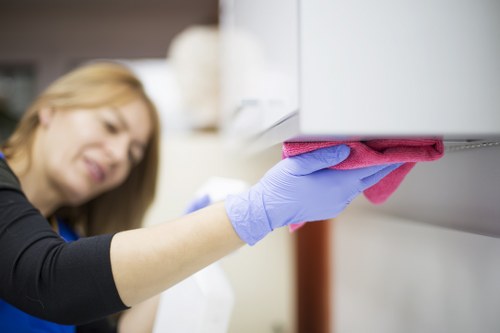 Stanmore Carpet Cleaners is committed to maintaining a safe, healthy, and responsible working environment for employees, customers, visitors, and any contractors who may be affected by our activities. This health and safety policy sets out the principles we follow to prevent accidents, reduce risk, and support safe working practices in all carpet cleaning operations. We recognise that professional carpet cleaning involves equipment, cleaning agents, moisture, electrical power, manual handling, and movement in occupied properties, so every task must be carried out with care and planning.
Our approach is based on prevention, awareness, and control. We aim to identify hazards before work begins, assess the level of risk involved, and apply suitable measures to eliminate or reduce that risk. All staff are expected to take responsibility for their own safety and the safety of others. This includes using equipment properly, reporting concerns promptly, and following agreed procedures without exception.
We believe that good safety standards are an essential part of quality service. A well-managed carpet cleaning operation protects people, property, and the reputation of the business. For that reason, the company will regularly review procedures, update equipment where needed, and support a workplace culture where safety is treated as a priority rather than an afterthought.
Responsibilities and Safe Working Practices
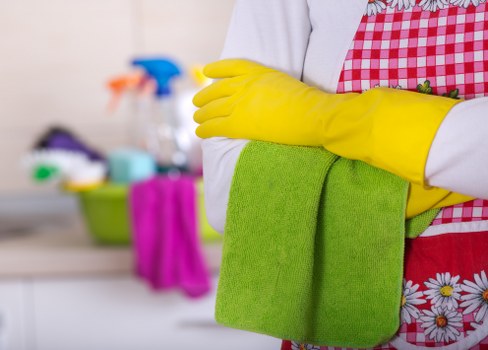 Management has overall responsibility for implementing this policy and ensuring that suitable resources are available to maintain safe conditions. Supervisors must make sure that tasks are properly planned, staff are competent for the work assigned, and any known hazards are addressed before cleaning begins. Employees must cooperate with safety instructions, use protective equipment where required, and never continue work if they believe a situation is unsafe.
All operatives are expected to follow the correct procedures for setting up and operating carpet cleaning machines, vacuum units, and any other tools used during service. Equipment must be checked before use to confirm it is in good working order. Damaged leads, faulty plugs, leaking hoses, or poorly maintained machines must be removed from service immediately. Electrical safety is especially important in wet environments, and only approved equipment should be used where moisture is present.
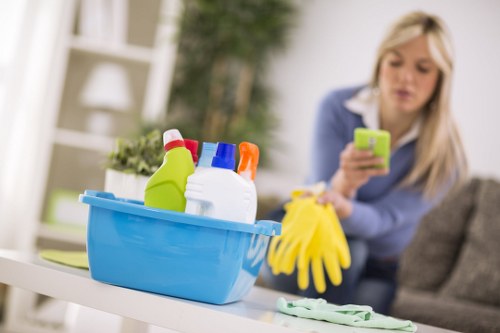 Manual handling is another important area of control. Carpet cleaning staff may need to move machines, carry accessories, or reposition items of furniture in order to complete the job. These tasks must be assessed carefully to avoid strain or injury. Heavy lifting should be avoided where possible, and employees should use correct lifting techniques, seek help for awkward items, and take breaks when repeated movement becomes tiring.
Managing Chemicals, Hygiene, and Customer Premises
Chemical products used in carpet cleaning must be selected, stored, and used in accordance with manufacturer instructions and safety information. Staff must understand the potential effects of detergents, spotting agents, and stain treatments on health, surfaces, and indoor air quality. Where appropriate, gloves, masks, or eye protection should be worn. Spills must be contained and cleaned immediately to reduce the risk of slips, skin irritation, or damage to property.
At the same time, hygiene standards must remain high. Waste water, used cloths, and contaminated materials should be handled carefully and disposed of responsibly. Work areas should be left tidy and safe, with floors made as dry as reasonably possible before the job is completed. The company expects all staff to treat customer premises with respect and to avoid creating unnecessary disruption or hazard.
When working in occupied homes or business premises, clear communication is essential. Staff should explain any temporary restrictions, such as wet flooring or the need to keep pets and children away from the work area.  Whenever there is a risk of slips, trips, or contact with equipment, suitable warnings should be given and access controlled until it is safe to proceed.
Training, Reporting, and Continuous Improvement
Training plays a central role in maintaining strong safety performance. New employees receive induction training covering hazard awareness, safe use of equipment, chemical handling, emergency actions, and reporting procedures. Refresher training is provided when needed, especially after changes in equipment, methods, or risk levels. Staff are encouraged to ask questions whenever they are unsure how to complete a task safely.
All incidents, near misses, defects, and unsafe conditions must be reported as soon as possible. This includes slips, equipment failures, chemical exposure, water leaks, and any situation that could have led to harm. Reports are reviewed so that corrective action can be taken quickly and lessons can be learned. A prompt response helps prevent repeat problems and supports a stronger safety culture across the business.
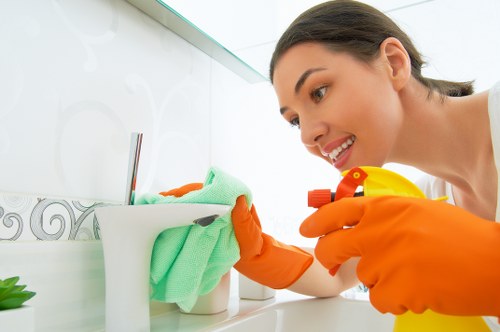 This policy will be reviewed regularly to ensure it remains effective, practical, and aligned with the needs of the business. Improvements may be introduced after inspections, incident reviews, staff feedback, or changes in working methods. By keeping safety under constant review, Stanmore Carpet Cleaners aims to provide a reliable service while protecting everyone involved in the work.