Canons Park sofa cleaning tips for busy families in Stanmore
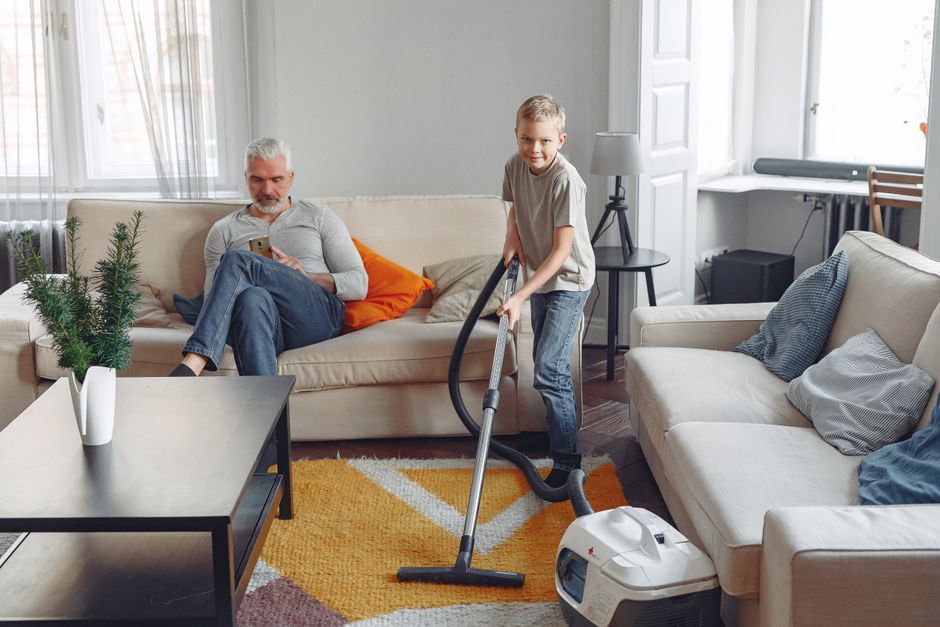
Busy homes do not wait for a convenient moment. Someone spills juice at breakfast, the dog hops up with muddy paws, and by evening the sofa has somehow become the family's unofficial gathering place, snack zone, and nap station. If that sounds familiar, you are in the right place. These Canons Park sofa cleaning tips for busy families in Stanmore are designed for real life: school runs, work calls, weekend visitors, and not nearly enough time.
Truth be told, most families do not need a complicated cleaning routine. They need something practical, safe for different fabrics, and easy to keep up when the day is already full. In this guide, you will learn how sofa cleaning works, what actually helps, what to avoid, and when it makes sense to bring in professional support. A clean sofa does more than look nice. It can make the whole room feel calmer, fresher, and a bit less chaotic. And who does not want that by a rainy Tuesday afternoon?
Why Canons Park sofa cleaning tips for busy families in Stanmore Matters
Sofas take a beating in family homes. That is not a criticism, just reality. In Canons Park and across Stanmore, homes often have a mix of busy schedules, shared living spaces, pets, children, and guests dropping in more often than planned. A sofa ends up collecting crumbs, body oils, dust, pet hair, and the odd mystery mark from something nobody admits to touching.
Regular sofa care matters for a few simple reasons. First, a clean sofa is more pleasant to sit on. Second, it helps reduce the build-up of dirt that can wear fibres down over time. Third, if anyone in the household has allergies or sensitive skin, keeping upholstery cleaner can make daily life feel easier. Not a miracle, just a sensible improvement.
There is also a psychological side to it. A stained, tired-looking sofa can make the whole room feel messy even when the rest of the house is fairly tidy. A fresh sofa does the opposite. It quietly lifts the space. You notice it when you walk in after the school run, drop your bag, and sink into the cushions. It feels better.
For busy families, the challenge is not knowing that cleaning helps. It is finding a routine that fits between actual life moments. That is why the best approach is usually a little and often, plus a deeper clean every so often. If you only wait until the sofa looks bad, it is already harder work. Let's face it, nobody needs extra hard work.
How Canons Park sofa cleaning tips for busy families in Stanmore Works
Sofa cleaning works best when you match the method to the fabric, the type of soil, and how much time you actually have. There is no single trick that suits every upholstery type. A cotton blend, a velvet finish, a synthetic weave, and leather all need different handling. That is where many people go wrong: same tool, every sofa, and then surprise when the fabric looks blotchy or feels rough.
The usual process starts with removing loose debris. After that comes spot treatment for marks, followed by deeper cleaning if the sofa needs it. The important bit is to use the gentlest effective method. Over-wetting a cushion or scrubbing too hard can do more harm than the stain itself. That sounds dramatic, but it happens all the time.
For busy households, the smartest approach is usually a layered one:
- daily or near-daily quick tidy-ups;
- weekly vacuuming of seats, arms, and creases;
- immediate spot cleaning when spills happen;
- occasional deeper upholstery cleaning;
- protective habits that reduce new marks in the first place.
If the sofa has a care label, that should always guide the method. In plain English, the label tells you what cleaning approach is safer. Some fabrics tolerate water-based cleaning; others need low-moisture or solvent-based care. If you are unsure, do a hidden patch test first. Tiny patch, tiny bit of patience. Worth it.
Key Benefits and Practical Advantages
The benefits of keeping a sofa clean go beyond appearances. For families in Stanmore, where time and space are often at a premium, the payoff is very practical.
| Benefit | Why it helps busy families |
|---|---|
| Better hygiene | Removes everyday dirt, food residue, and pet hair before they build up. |
| Longer sofa life | Reduced grit and grime means less fibre wear and a slower ageing process. |
| Less stress before visitors | A fresher sofa makes the whole room feel ready, even when time is tight. |
| Improved comfort | Clean upholstery feels nicer to sit on and use every day. |
| Fewer stubborn stains | Regular care stops small spills becoming permanent marks. |
| Better indoor freshness | Helps reduce lingering food, pet, or damp smells in soft furnishings. |
Another quiet benefit is saving money over time. When dirt is allowed to settle into fibres, the sofa may wear out sooner or need more intensive treatment later. That is exactly the kind of hidden cost families would rather avoid. A little prevention now can mean fewer headaches later.
There is also something reassuring about knowing the sofa is safe for kids to sprawl on after football practice, or for adults to collapse on with a cup of tea at the end of the day. A clean sofa is not a luxury. It is just a more comfortable way to live in the house you already have.
Who This Is For and When It Makes Sense
This advice is especially useful if your home includes children, pets, frequent guests, or a sofa that gets used for more than sitting. Which, to be honest, is most family sofas. If your living room doubles as a dining room, homework area, and film-night zone, your upholstery is doing serious work.
It also makes sense if you have noticed any of the following:
- crumbs and surface dirt collecting in seams;
- faint odours after snacks, pets, or damp weather;
- small stains from drinks, sauces, or makeup;
- flattened cushions or tired-looking fabric;
- dust and hair building up faster than you can remove it.
Some families only need maintenance cleaning. Others may need a deeper refresh after illness, a party, a pet accident, or a long stretch without proper care. If you have light-coloured upholstery, the signs arrive faster. Grey and beige may hide a lot, but they are not invincible.
It is also worth being realistic about timing. If you are already juggling work, pickups, and dinner, the "best" cleaning plan is the one you can actually follow. A simple 10-minute weekly routine beats an ambitious plan that never happens. Better done than perfect, as the saying goes.
Step-by-Step Guidance
Here is a straightforward process that busy families can use without turning the house upside down. It is simple, but that is the point.
1. Check the fabric label first
Look for cleaning codes or care instructions. This tells you whether the fabric is suitable for water-based cleaning, solvent cleaning, or only professional treatment. If there is no label, take extra care and test in a hidden spot.
2. Remove loose debris
Use a vacuum with an upholstery attachment to clear crumbs, dust, and hair from cushions, seams, and under the arms. Pay attention to the creases; that is where the biscuit dust likes to hide. Annoying, but true.
3. Treat spills quickly
For fresh spills, blot gently with a clean white cloth. Do not rub. Rubbing can push the stain deeper and rough up the fibres. Work from the outside of the stain inward so it does not spread.
4. Use the right cleaning solution
Choose a cleaner that is suitable for the fabric and the type of stain. A small amount is usually enough. More product is not always better. In fact, too much can leave residue and attract more dirt later.
5. Let the sofa dry properly
Good airflow matters. Open a window if possible and allow the fabric to dry fully before heavy use. If cushions stay damp, they can develop odours or, in some cases, mould. Nobody wants that little surprise a day later.
6. Finish with a reset
Once dry, fluff the cushions, replace throws, and maybe add a washable cover if your household needs one. This small finishing step makes the sofa feel properly back to normal.
If the stain is oily, coloured, or old, do not keep attacking it with random household products. That is where things get messy in a hurry. Sometimes the safest move is to stop early and use a professional upholstery cleaning service.
Expert Tips for Better Results
A few small habits make a surprisingly big difference. These are the kinds of details that tend to separate "looks okay" from "actually lasts."
- Vacuum before you wipe. If you clean over grit, you can grind dirt into the fabric.
- Work in daylight if you can. Natural light makes stains easier to spot, especially faint ones that show up at certain angles.
- Use white cloths for blotting. Coloured cloths can transfer dye. Small detail, big annoyance.
- Rotate cushions. This spreads wear more evenly and helps the sofa hold its shape.
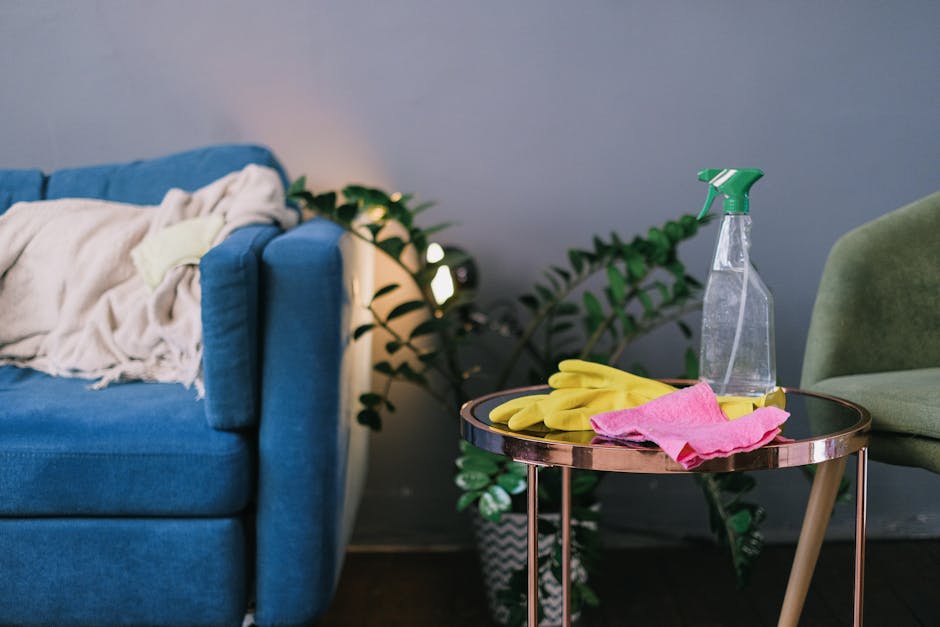
- Keep a stain kit nearby. A cloth, a soft brush, and a fabric-safe cleaner in a cupboard can save the day.
- Think in layers. Surface clean, spot treat, then deep clean only if needed. It is calmer and often more effective.
A good rule is to clean small marks as soon as you notice them. Waiting for the weekend sounds sensible until the stain sets in and you have forgotten what caused it. We have all done that one.
If you have kids, consider a house rule that snacks stay on a tray or in the kitchen during busy periods. Not because life should be rigid, just because sofa crumbs are somehow endless. One tiny behaviour change can cut cleaning time in half.
Common Mistakes to Avoid
Most upholstery problems come from a handful of repeat mistakes. Nothing dramatic. Just everyday slip-ups that seem harmless at the time.
- Scrubbing too hard. This can damage fibres and spread the stain.
- Using too much water. Over-wetting can leave rings, slow drying, and cause odour issues.
- Skipping the patch test. A hidden test is boring, yes, but it can save the whole sofa.
- Mixing cleaning products. Different chemicals do not always play nicely together.
- Ignoring the fabric code. That little label matters more than people think.
- Leaving cushions damp. Moisture trapped inside cushions is a recipe for trouble.
- Trying to remove every stain with one method. Different stains behave differently. Grease is not juice, and juice is not mud.
Another common mistake is waiting until a sofa looks visibly dirty before taking action. By then, the work is harder and the fabric has already taken a beating. A bit of routine care keeps things much more manageable. Honestly, that is the whole game.
Tools, Resources and Recommendations
You do not need a cupboard full of gadgets. A few sensible tools are usually enough for family sofa care.
- Upholstery vacuum attachment: useful for seams, corners, and cushions.
- Soft-bristled brush: helps lift dust and refresh the pile gently.
- Microfibre cloths: ideal for blotting and light cleaning.
- White towels or cloths: useful so you can see what is being lifted from the fabric.
- Fabric-safe spot cleaner: choose one suitable for your sofa's material.
- Protective throws or washable covers: practical for homes with children or pets.
For families who want broader home care, related services can be useful too. If your living room feels dusty or the sofa is picking up airborne dirt, carpet cleaning may help keep the whole room fresher. If pet hair and pet smells are part of the problem, the approach often pairs well with pet stain and odour removal. And if you are dealing with multiple soft furnishings at once, upholstery cleaning is the broader category that covers sofas, chairs, and similar fabric items.
If you prefer to understand pricing before booking anything, the company's pricing and quotes page is the sensible place to start. For general business details and what the team stands for, about us gives useful background without the fluff.
Law, Compliance, Standards, or Best Practice
For sofa cleaning in a home setting, there usually is not much legal complexity. Still, best practice matters. If you are using a professional service, you want to know they follow safe working methods, use products appropriately, and handle your home respectfully. That is just reasonable.
In the UK, reputable cleaners should treat chemicals carefully, follow product instructions, and avoid causing damage through careless over-wetting or unsuitable treatment. If you are a tenant, it is sensible to check your tenancy terms before doing anything unusual to furniture supplied with the property. If a sofa is rented, shared, or part of a managed property, care and reporting expectations may also apply.
It is also worth thinking about safety and transparency. A trustworthy cleaning business should be able to explain its process, discuss suitability for your sofa fabric, and answer questions about insurance or safety procedures. If you want to look into that side of things, the site's insurance and safety information and health and safety policy are both relevant. For privacy and payment handling, the policy pages on privacy and payment and security are also useful.
Best practice, in plain terms, means doing the job safely, honestly, and with care for the fabric. No drama. No guesswork. No "it should be fine" when it clearly is not.
Options, Methods, or Comparison Table
Different cleaning approaches suit different situations. Here is a simple comparison to help you choose what fits your home and timetable.
| Method | Best for | Pros | Watch out for |
|---|---|---|---|
| Weekly vacuuming | Routine maintenance | Quick, low effort, prevents build-up | Will not remove set-in stains |
| Spot cleaning | Fresh spills and small marks | Fast and targeted | Needs the right product and gentle technique |
| DIY deep clean | Lightly soiled sofas with known fabric type | Affordable and convenient | Risk of over-wetting or fabric damage if done badly |
| Professional upholstery cleaning | Older stains, busy family homes, mixed fabrics | More thorough, expert fabric handling | Requires booking and usually a higher upfront cost |
For many families, the sweet spot is simple: maintain the sofa weekly, handle spills fast, and bring in professional help when the fabric needs more than a quick refresh. That way, you are not overdoing it, and you are not ignoring it either.
If your household includes pets, toddlers, or frequent visitors, professional help can be especially practical after winter, after a party, or before a big family gathering. The sofa tends to show it all, unfortunately.
Case Study or Real-World Example
Here is a typical scenario from a busy Stanmore family home. Two adults, two children, a Labrador with excellent timing, and a light-coloured fabric sofa in the main sitting room. The sofa looked fine from a distance, but up close there were biscuit crumbs in the seams, a few drink marks, and that slightly stale smell that soft furnishings can pick up in winter.
The first step was not a big deep clean. It was a quick reset. The cushions were removed, the sofa was vacuumed carefully, and the visible marks were blotted rather than rubbed. A small patch test was done on the back panel before any cleaner touched the front. Sensible, if slightly unglamorous.
After that, the family switched to a simple weekly routine: vacuum on Sunday evening, a quick check for spills after school snacks, and a washable throw on the seat where the children usually landed. Within a short time, the sofa looked fresher and felt easier to maintain. Nothing magical. Just consistency and a little discipline, which sounds boring but works.
What they noticed most was not just appearance. The room felt calmer. The sofa no longer drew the eye for the wrong reasons. That kind of small improvement matters in a family home, especially when life is already busy enough.
Practical Checklist
Use this checklist before you clean, or keep it handy for weekly maintenance.
- Check the sofa care label.
- Vacuum cushions, arms, seams, and under the cushions.
- Test any cleaner in a hidden area first.
- Blot spills gently; do not scrub.
- Use only a small amount of suitable cleaning solution.
- Allow enough drying time before sitting on the sofa again.
- Rotate cushions regularly.
- Use throws or washable covers if your home needs extra protection.
- Act quickly on new stains.
- Book a deeper clean when routine care is no longer enough.
Expert summary: The best sofa cleaning plan for a busy family is not the most ambitious one. It is the one you can repeat without stress. Keep it gentle, keep it regular, and do not let small spills become big jobs.
Conclusion
The most effective Canons Park sofa cleaning tips for busy families in Stanmore are usually the simplest ones: vacuum often, blot spills quickly, respect the fabric label, and keep the routine realistic. A sofa in a family home has a hard life, so a little regular care goes a long way.
When you treat upholstery as part of the household routine rather than a once-a-year chore, the whole job becomes easier. The sofa stays fresher. The room feels more comfortable. And you avoid the "we should really sort that out" conversation that nobody enjoys having for months on end.
If you are dealing with stubborn marks, ongoing odours, or a sofa that needs more than a quick tidy-up, it may be worth exploring a professional clean and checking what suits your fabric and schedule. A bit of informed action now can save a lot of hassle later, and that is usually a good trade.
Get a free quote today and see how much you can save.
Small improvements add up. One clean cushion at a time, the room starts to feel like home again.
Frequently Asked Questions
How often should a family sofa be cleaned?
For most busy homes, weekly vacuuming and prompt spot cleaning are a good baseline. A deeper clean may be needed every so often, depending on fabric type, children, pets, and how heavily the sofa is used.
What is the safest way to clean a sofa with kids in the house?
The safest approach is usually to vacuum regularly, blot spills quickly, and use fabric-safe products only after checking the care label. Avoid soaking the fabric, and let it dry fully before letting children use it again.
Can I use household products on my sofa?
Sometimes, but not always. Some household products can leave residue, cause staining, or damage upholstery. It is safer to use a product that is suitable for the exact fabric type and to test it in a hidden area first.
What should I do if a stain has already dried?
Start with gentle vacuuming and fabric-safe spot treatment. Do not scrub aggressively. Older stains are often more stubborn, so if the mark is still there after a careful attempt, professional help may be the better option.
How do I stop my sofa from smelling musty?
Make sure the sofa is fully dry after any cleaning, keep the room well ventilated, and vacuum regularly. Odours can also come from trapped crumbs or pet hair, so a deeper clean may be needed if the smell persists.
Is professional sofa cleaning worth it for a busy family?
For many families, yes. If the sofa has multiple stains, heavy use, pet odours, or delicate fabric, a professional clean can save time and reduce the risk of damage. It is especially useful when routine maintenance is no longer enough.
How long does a sofa take to dry after cleaning?
Drying time depends on fabric, cleaning method, airflow, and how much moisture was used. It is best to allow plenty of drying time and avoid sitting on the sofa until it feels fully dry to the touch.
What fabrics are hardest to clean?
Delicate fabrics such as some velvets, mixed fibres, and materials with special finishes can be trickier. Leather also needs its own approach. If you are unsure, check the care label or ask a professional before cleaning.
Can I prevent stains completely?
Probably not completely, not in a family home anyway. But you can reduce them a lot by using throws, keeping food away from the sofa when possible, vacuuming often, and treating spills immediately.
When should I call in a professional cleaner instead of doing it myself?
If the stain is old, the fabric is delicate, there are strong odours, or you are unsure what the care label means, professional cleaning is often the safer choice. It can also be the right move when time is short and you want the job done properly.
Does sofa cleaning help with allergies?
It can help reduce dust, hair, and other debris that collect in upholstery. While it is not a medical treatment, cleaner fabric often makes the room feel fresher and less irritating for some households.
How can I keep the sofa cleaner between deep cleans?
Use a vacuum attachment weekly, deal with spills quickly, rotate cushions, and keep washable throws on the areas that take the most wear. A few small habits make a surprisingly big difference over time.
If you want a cleaner, calmer living room without adding more stress to your week, start with one simple routine and build from there. That is usually how the good results arrive: quietly, and without fuss.